Transforming Rural
Communities Through
Integral Ecology
Bethany Land Institute aims to transform rural Uganda.
BLI combats three crises facing Uganda: poverty, food insecurity, and ecological destruction. Inspired by
Laudato Si' and Pope Francis's call for Integral Ecology, BLI combines
environmental regeneration, economic empowerment,
and
education
to enable local communities, and the land, to thrive.
Mary's School
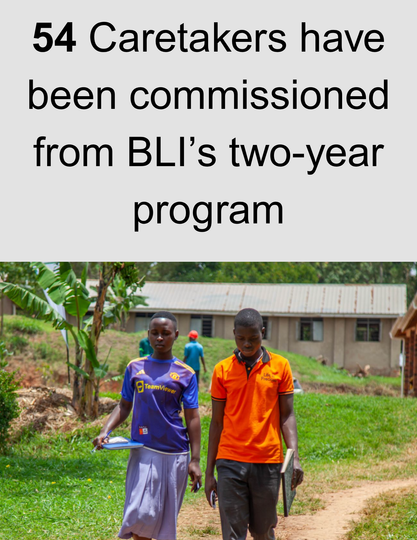
Mary's School is the education hub of Bethany Land Institute. Mary's School cultivates Caretakers for rural transformation through practical training in regenerative agriculture alongside mindset, lifestyle, and spiritual transformation.
Martha's Market
Martha's Market is the business center of Bethany Land Institute. Led by the BLI SACCO, Martha’s Market connects BLI’s Caretakers and local farmers to pathways for sustainable entrepreneurship and livelihood security.
Lazarus' Forest
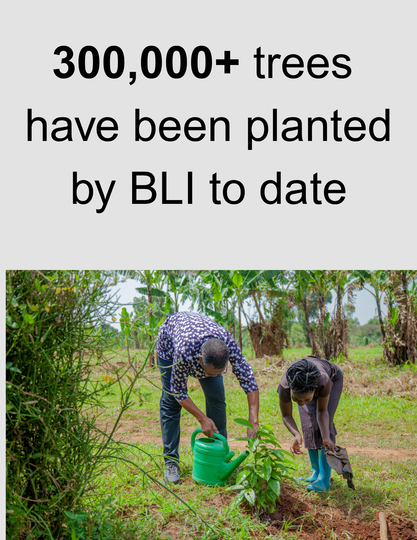
Lazarus' Forest is the culmination of Bethany Land Institute’s work in ecosystem regeneration. From the forest’s history of severe deforestation, Lazarus' Forest thrives today as one of the largest natural rainforests in all of Uganda.
A Model for Community Transformation
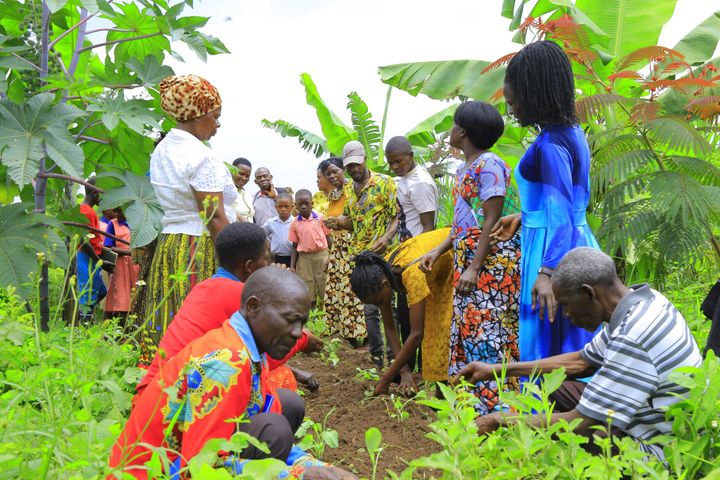
BLI’s community engagement team extends the BLI model beyond campus and into the community. The team brings the three core BLI programs together to cultivate integrated packages for rural smallholder farmers across Uganda, including practical training in regenerative agriculture and community infrastructure for savings and circular economies.